
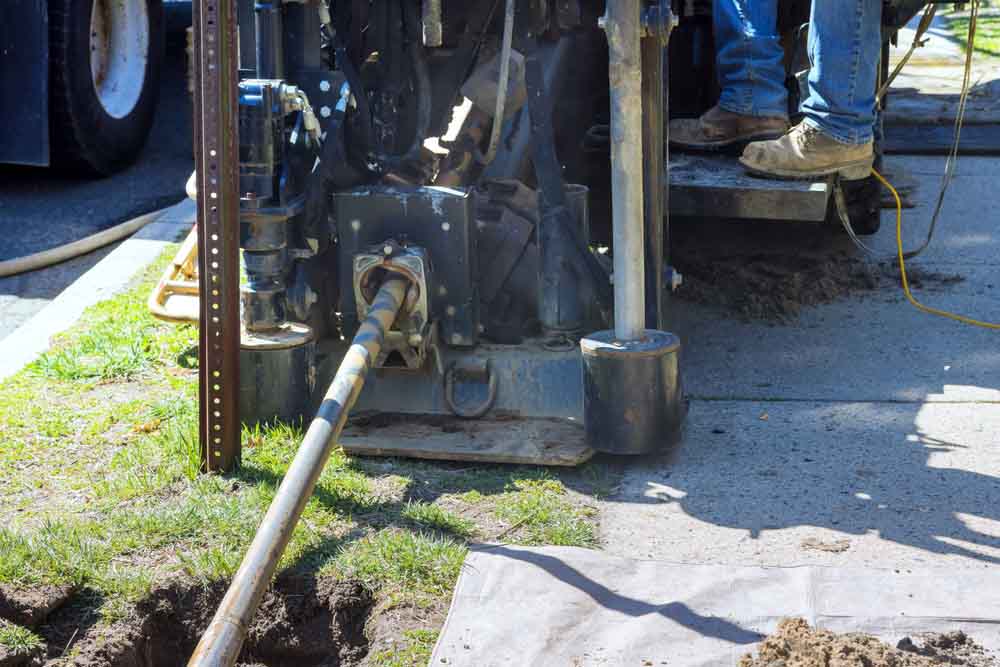
The skepticism is understandable. A crew shows up, feeds a tube into your pipe, and leaves a few hours later without digging a single trench. It does not look like a permanent fix. It does not feel like one either. But the question of whether trenchless pipe lining is a lasting structural solution or an expensive stopgap has a clear, data-backed answer and the evidence has been accumulating for decades.
Speedy Rooter Plumbing provides services for trenchless pipe lining in Harrisonburg, VA, and we hear this concern regularly. Here is what the record actually shows.
Where CIPP Has Already Proven Itself
CIPP pipe lining was not invented for residential sewer repair. It was developed in the late 1970s for municipal water and sewer infrastructure systems carrying millions of gallons daily under public streets and waterways. The first commercial CIPP installation in the United States took place in 1977. Many of those original installations are still in active service today.
The Water Research Foundation, which conducts independent infrastructure research for municipal water utilities, has documented CIPP installations performing structurally at or above design specifications after 30 or more years of continuous service. That is not the track record of a temporary patch.
What the Materials Are Actually Rated For
The design life assigned to cured-in-place liners is not a marketing claim. It comes from structural modeling and long-term performance data reviewed by independent engineering bodies. ASTM International, the organization that sets material and testing standards across industries, publishes standards specifically governing CIPP liner design and installation, including ASTM F1216, which covers the structural requirements for liners installed in gravity sewer systems. Under those standards, a properly installed liner is classified as a fully structural pipe replacement rated for a minimum 50-year service life. Pipe lining companies operating to ASTM standards are not installing a coating. They are installing a new pipe that happens to be formed inside the old one.
Why the Liner Is Structurally Independent of the Host Pipe
This is the point that resolves most of the skepticism. A fully structural CIPP liner does not rely on the host pipe for strength after curing. The cured epoxy composite carries its own load, resists external soil pressure independently, and maintains its shape without the host pipe providing any structural support. Sewer pipe lining classified as fully structural means the liner meets pipe strength requirements on its own terms. If the host pipe were removed entirely after a successful cure, which obviously does not happen in practice, the liner would still function as a freestanding pipe. That is a permanent replacement, not a patch over a failing surface.
How Cast Iron Compares to What Replaces It
Cast iron pipe lining applications make the performance comparison particularly clear. Original cast iron lines corrode from the inside out as hydrogen sulfide gases in the sewer environment convert to sulfuric acid on the pipe wall. That process is slow but relentless, and it cannot be stopped once it begins. The cured epoxy liner is chemically inert. It does not react with hydrogen sulfide, does not corrode, and does not develop the tuberculation that restricts flow in aging cast iron lines. The material that replaces the cast iron interior is, by measurable standards, more resistant to the sewer environment than the pipe it lines.
What “Temporary” Actually Looks Like in Pipe Repair
For context, a standard hydro jet cleaning addresses buildup and restores flow, typically for one to three years before retreatment is needed. A chemical descaling treatment may last a similar period. These are maintenance interventions, not structural repairs.
A fully structural CIPP installation addresses the pipe wall itself. It seals infiltration points, restores structural integrity, and eliminates the corrosion pathway. Comparing it to a temporary fix conflates two entirely different categories of work.
Frequently Asked Questions
Has trenchless lining been tested in extreme conditions?
Yes. Municipal installations subject liners to freeze-thaw cycles, hydrostatic pressure, and continuous flow conditions. Long-term performance data from these environments informed the 50-year design life rating assigned under ASTM standards.
Does the liner reduce the pipe’s interior diameter enough to affect flow?
A standard liner reduces interior diameter by a small amount, typically three to six millimeters depending on liner thickness. The smooth hydraulic surface of the cured liner offsets this reduction by improving flow efficiency relative to a corroded host pipe interior.
Can a CIPP liner fail, and what causes it when it does?
Liner failures do occur and are almost always traced to installation errors such as improper resin saturation, inadequate surface preparation, or insufficient cure time. A correctly installed liner under ASTM standards has no known mechanism for premature structural failure under normal operating conditions.
Is trenchless lining accepted by municipal engineering departments as a permanent repair?
Yes. Municipal water and sewer authorities across the United States specify CIPP lining as a standard rehabilitation method in their infrastructure maintenance programs. It is not treated as a provisional or experimental repair at the municipal level.
Fifty Years of Data Does Not Lie.
The case for trenchless pipe lining as a permanent structural solution is not built on manufacturer claims. It is built on decades of municipal infrastructure performance, independent engineering standards, and material science. Speedy Rooter Plumbing brings that same standard of installation to every residential and commercial lining project, backed by technicians who receive ongoing training on ASTM-compliant methods. Our $7.95 per month plan keeps your sewer system inspected and documented so you always know what your pipes look like before a problem develops. Get in touch with us today and let the data make the case in person!
Contact Us Today
When in need of basic and emergency plumbing services, call Speedy Rooter Plumbing. We are the team that you can trust for services from a reliable plumber in Charlottesville, VA, and nearby areas. We have a committed team of well-trained professionals waiting to address your needs. Call us today or fill out the form on this site to schedule your appointment.