


Are You Risking a Winter Backup by Skipping Late-Autumn Maintenance?
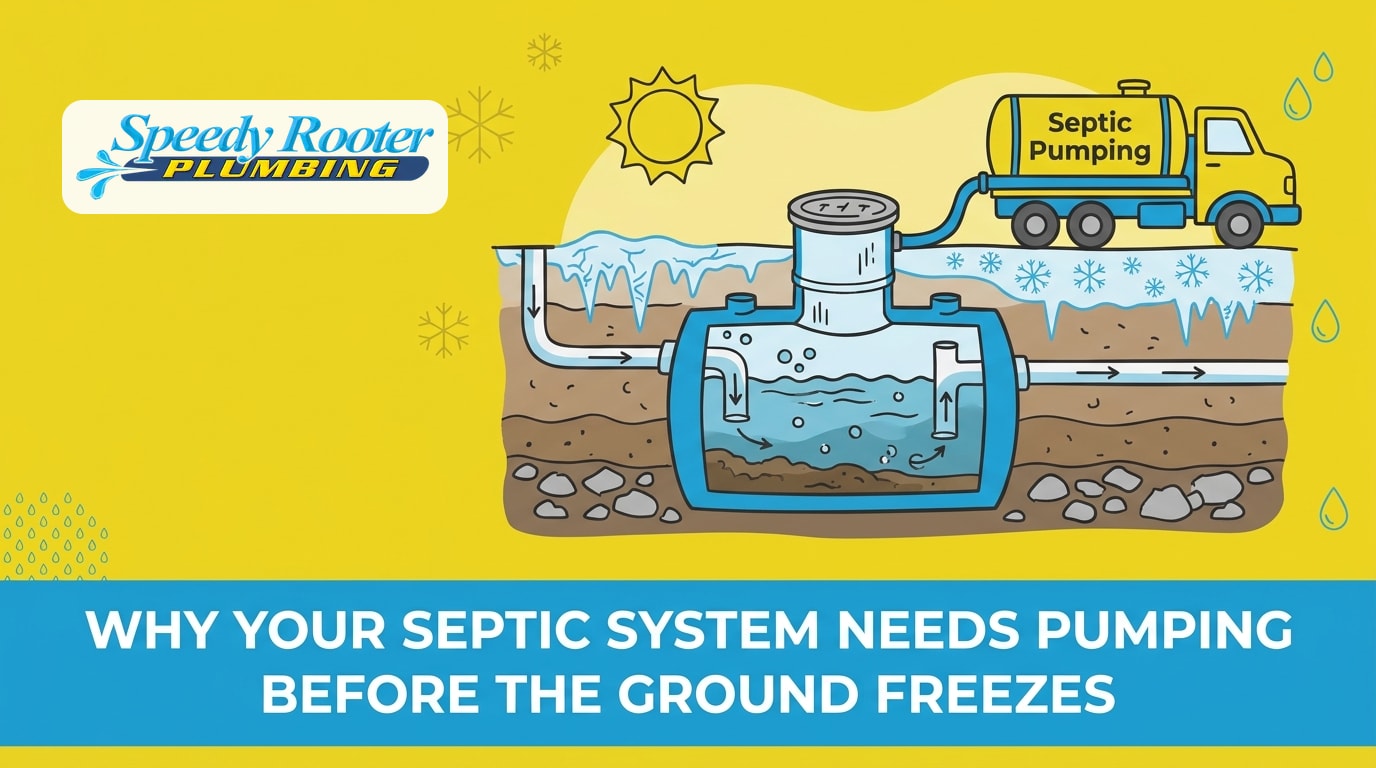
Are you wondering why your septic system needs pumping before the ground freezes, or are you hoping that sluggish drain will just resolve itself before the snow flies? You are likely wrapping up your late-autumn property maintenance checklist—cleaning out the gutters, raking the last of the leaves, and weatherstripping the doors. But underground, a hidden and severe risk is growing. A septic tank nearing capacity in late autumn poses a massive risk of backing up into your home when the weather turns and the soil hardens.
At Speedy Rooter Plumbing, a pattern we see often is homeowners delaying service until spring, only to face a catastrophic winter emergency. As impending winter freezes approach, the window for easy access closes rapidly. Taking action during the late autumn before ground freeze is the only reliable way to ensure your plumbing can handle the heavy indoor usage that comes with the holiday season and colder months.
If you want to understand the best season to clean septic tanks or explore modern solutions like Terralift septic repair, taking proactive steps right now is your best defense. Once the frost sets in, our plumbing crews find that every aspect of maintenance becomes exponentially more difficult, turning a standard afternoon service call into a major logistical hurdle.
How Freezing Temperatures Transform Routine Septic Access
To understand why timing is everything, you have to look at the physical mechanics of the earth above your tank. Soil thermodynamics dictate that any moisture trapped in the earth freezes and expands when ambient temperatures drop below 32 degrees Fahrenheit. In our years serving the local area, the team at Speedy Rooter Plumbing routinely deals with winter frost depths that can easily reach up to 12 to 18 inches in regions like Virginia. Sudden late-autumn temperature drops harden the topsoil unexpectedly, completely changing the physical landscape of your yard.
This temperature shift turns soft, yielding autumn soil into a concrete-like layer of winter frost. Exposing a septic lid in the late autumn before ground freeze is typically a straightforward task requiring nothing more than a standard shovel and a few minutes of manual labor. Once the ground freezes, however, plumbing professionals face intense physical labor just to locate and uncover the access point.
Specialized excavation equipment—such as pneumatic breakers, heavy-duty digging bars, and sometimes even ground-thawing machines—is often needed to breach this hardened topsoil. This physical reality drastically increases the time required to perform basic maintenance. Plumbers cannot simply dig through a foot of frozen clay; they have to chip away at it. This is exactly why early frosts expose hidden exterior pipe vulnerabilities before winter, as the expanding frozen soil exerts massive pressure on buried infrastructure.
| Excavation Factor | Late Autumn (Pre-Freeze) | Deep Winter (Frozen Ground) |
|---|---|---|
| Soil Condition | Soft, yielding, easy to move | Solidified, concrete-like, expansive |
| Equipment Required | Standard hand shovels | Pneumatic breakers, thawing gear |
| Labor Intensity | Routine manual effort | Highly demanding physical labor |
| Access Time | Minutes to expose the lid | Hours of chipping and breaking |

Why Septic Tanks Fill Faster During the Colder Months
The physical challenge of digging through frozen ground is only half of the winter equation. Inside the tank itself, biological changes are occurring that compound the risk of a severe backup. Your septic system is not just a holding tank; it is a living ecosystem that relies on microscopic organisms to function properly. When the temperature drops, that ecosystem changes dramatically.
The Science of Septic Stratification in Cold Weather
A healthy septic tank separates wastewater into three distinct layers: a top layer of floating scum (fats, oils, and greases), a middle layer of relatively clear effluent (liquid wastewater), and a bottom layer of heavy sludge (solid waste). Anaerobic bacteria live in the tank and constantly feed on the organic solids in the sludge and scum layers, breaking them down and slowing their accumulation.
However, these bacteria are highly sensitive to temperature. When the ambient soil temperature drops in the winter, the metabolic rate of this bacterial digestion slows down significantly. Because the bacteria are eating less and working slower, there is a much faster accumulation of solid waste inside the tank. The sludge layer at the bottom builds up at an accelerated rate, and the scum layer thickens, rapidly shrinking the middle clear-water zone.
This biological slowdown connects directly to a heightened risk of a full tank failing during the peak winter months. Our technicians frequently warn customers that if you enter November with a tank that is already 70% or 80% full of solids, the slower processing rate guarantees it will hit maximum capacity right when the weather is at its worst. Furthermore, families tend to spend more time indoors during the winter, running more laundry, taking longer hot showers, and hosting holiday guests. This increases the hydraulic load (the sheer volume of water) entering a tank that is already struggling to process solids.
Starting the winter season with an empty tank provides a critical buffer against these biological changes. By scheduling a pump-out in the late autumn before ground freeze, you remove the accumulated sludge and give the slower-moving winter bacteria a fresh, empty environment to work with, drastically reducing the chances of an overflow.
Signs Your Septic System Is Nearing Capacity
Knowing exactly when to call for service can save you from a catastrophic indoor mess. Because you cannot easily look inside your buried tank, you have to rely on secondary symptoms that indicate the system is struggling to accept new wastewater. If you notice any of these indicators, it is crucial to seek professional evaluation rather than attempting any DIY digging or lid exposure, especially in the late autumn before ground freeze.
- Slow drains across the house: If only one sink is draining slowly, you likely have a localized pipe clog. But if every fixture in the home—the showers, the kitchen sink, the toilets—is draining sluggishly, it means the main tank is full and struggling to accept new fluid.
- Gurgling pipes and toilets: This distinct bubbling sound happens when trapped air is forced backward through your plumbing vents. As the fluid level in an overfull tank rises, it covers the inlet pipe, pushing air back up into your home’s plumbing.
- Frequent plumbing backups: Wastewater returning into your lowest drains (like a basement shower or floor drain) is a massive red flag. This indicates the tank has zero remaining capacity, and the wastewater has nowhere to go but backward.
- Pooling water in the yard: Puddles forming over the tank or drain field, especially during dry weather, indicate the system is overflowing and pushing untreated effluent up to the surface.
- Unusually lush grass over the tank: If a specific rectangular patch of grass over your septic system is significantly greener, taller, and faster-growing than the rest of your lawn, it is actively feeding on excess, nutrient-rich sewage leaking from a stressed system.
- Foul odors outdoors: A distinct sulfur or sewage smell in your yard means raw waste gases are escaping the tank or drain field, a clear sign the system is overwhelmed.
These symptoms do not just mean the tank needs emptying; our team knows firsthand that they often connect to broader system health problems and are the classic warning signs of drain field issues. When a tank is too full, solid waste can spill over into the drain field lines, causing permanent damage. Recognizing these signs early allows you to act before the ground hardens.
The True Cost of Emergency Winter Excavation
When a septic system fails in the middle of January, the consequences extend far beyond a temporary inconvenience. The logistical hurdles and intensive effort required for winter fieldwork transform a standard maintenance call into a major excavation project. At Speedy Rooter Plumbing, we believe in providing transparent, cost-saving preventative advice by explaining the ‘why’ behind increased winter labor time, empowering you to make a timely decision that protects your property.
The Physical Reality of Breaking Frozen Ground
When our crews respond to an active winter backup, the physical labor reality of breaking through frozen ground is an exhausting, time-consuming battle against nature. As mentioned earlier, plumbers cannot use standard hand tools. We must deploy heavy-duty breakers and sometimes bring in heavy machinery just to scrape away the first foot of frozen topsoil. This intensive effort means that the service takes significantly longer to complete.
Because of this intense physical barrier, you may experience delayed emergency response times. When every emergency call requires hours of chipping through ice and frozen clay just to reach a lid, a plumbing crew can service fewer homes per day. If a deep freeze hits and multiple homes experience backups simultaneously, you could be left waiting with non-functioning plumbing simply due to the sheer intensive effort required to access each system.
The Threat of Complete System Failure
The consequences of waiting go beyond just a difficult digging process. When a tank is neglected and allowed to overflow during the winter, the solid sludge has nowhere to go but out into the lateral lines of the drain field. Because the ground is frozen, the soil cannot properly absorb the liquid effluent. The biomat (the layer of bacteria in the drain field trenches) becomes clogged with solid waste and freezes.
This severe backup can quickly escalate into the need for a complete drain field restoration. Rebuilding a drain field in the middle of winter is a massive, highly disruptive excavation project that tears up your property and requires heavy machinery to rip out frozen, contaminated soil. By choosing to pump the tank in the late autumn before ground freeze, you contrast the streamlined, low-impact process of preventative maintenance with the heavy, destructive excavation required during winter emergencies.
Frequently Asked Questions About Winter Septic Maintenance
Can you pump a septic tank in the winter?
Yes, you can pump a septic tank in the winter, but it requires significantly more intensive effort from the plumbing crew. Professionals must break through hardened topsoil using specialized tools, which dramatically increases the labor time required for the job. Furthermore, heavy snow cover and frozen soil make locating and exposing the buried lid a major logistical hurdle compared to servicing it in the late autumn before ground freeze.
Will a full septic tank freeze?
A tank in active, daily use rarely freezes completely due to the biological heat generated by the continuous decomposition of waste. However, a neglected, overfull tank with a slow bacterial action rate is at a much higher risk of partial freezing. More importantly, the shallow pipes leading from the house to the tank, and from the tank to the drain field, are highly vulnerable to freezing if the system backs up and leaves standing water in the lines.
Why is it harder to access a septic tank in winter?
Soil moisture freezes when temperatures drop below 32 degrees, turning the ground directly above the tank into a concrete-like barrier. Manual digging with standard shovels is often completely insufficient, requiring specialized pneumatic tools and ground thawers to breach the frost line. This physical reality of winter fieldwork translates directly to extended service times, yard disruption, and much heavier labor for the technicians.
What happens if you don’t pump your septic tank?
Solid waste accumulates steadily at the bottom of the tank and can eventually overflow into the drain field, causing severe and often permanent clogs in the lateral lines. This overflow leads to slow drains throughout the house, raw sewage backups into your lowest plumbing fixtures, and eventual total system failure. Neglect often results in the need for extensive, labor-intensive drain field restoration efforts that could have been entirely avoided with routine pumping.
How do you keep a septic tank from freezing?
Maintain regular household water usage to keep a steady flow of warm water moving through the underground system. Ensure the tank is pumped in the late autumn before ground freeze if it is nearing capacity, which removes heavy sludge and prevents sluggish flow during the coldest months. Finally, leave a healthy layer of undisturbed snow over the tank and drain field area, as the snow acts as an excellent natural insulator against dropping ambient temperatures.
Secure Your Septic System Before the Frost Sets In
Understanding the physical mechanics of frozen ground and cold-weather bacterial slowdown makes one thing perfectly clear: preventative pumping is the smart, hassle-free choice for any homeowner. Do not wait for the topsoil to harden into an impenetrable barrier or for your drains to start gurgling on the coldest night of the year. We cannot overstate the urgency of scheduling your service during this brief seasonal window.
Take control of your property’s health by scheduling a comprehensive inspection and pump-out in the late autumn before ground freeze. Talk to the local plumbing experts at Speedy Rooter Plumbing today to clear your tank, protect your drain field, and ensure that your home’s wastewater system operates smoothly and safely all winter long.
More From the Blog
-
How Line Locating Services Prevent Catastrophic Remodeling Mistakes
Starting a yard excavation or basement remodel without mapping utilities carries massive hidden risks. See why professional line locating is a critical first step before any shovel hits the dirt.
-
Thanksgiving Drain Backups: The Anatomy of a Kitchen Sink Failure
Preparing for the Predictable Thanksgiving Plumbing Surge Thanksgiving morning brings a flurry of activity, with multiple dishes cooking, guests arriving, and the…
-
Septic Tank Pumping Frequencies for Ruckersville, VA Rural Properties
The Hidden Threat to Ruckersville Septic Systems Nearly 20% of rural American homes rely on independent wastewater systems, but when it comes…











24/7 Emergency Service
Contact Us Today
Contact Us Today
When in need of basic and emergency plumbing services, call Speedy Rooter Plumbing. We are the team that you can trust for services from a reliable plumber in Charlottesville, VA, and nearby areas. We have a committed team of well-trained professionals waiting to address your needs. Call us today or fill out the form on this site to schedule your appointment.