

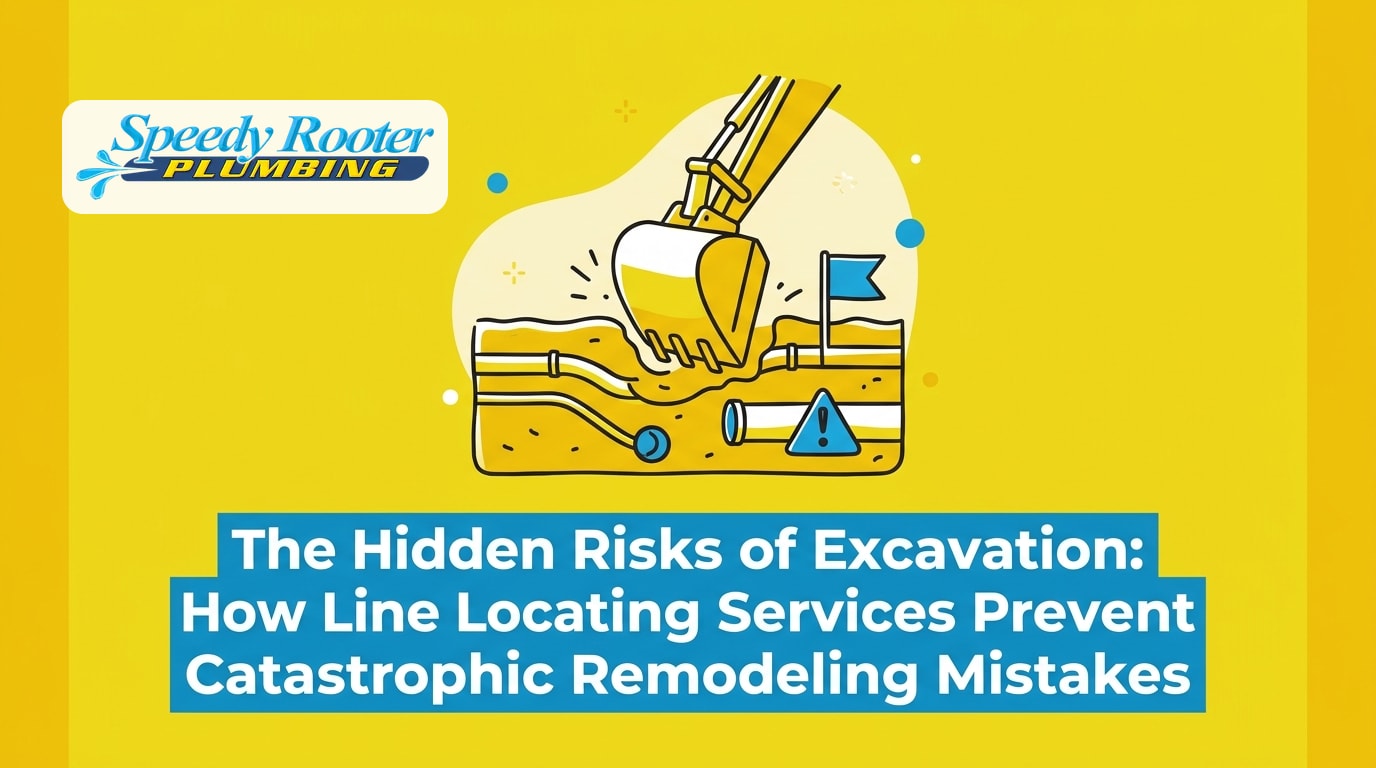
Breaking Ground Blind: The Hidden Dangers of Unmapped Utilities
You are finally ready to start that major exterior renovation, but there is a massive hidden risk lurking just beneath your lawn. If you strike an unmarked buried sewer or water pipe, your dream upgrade can instantly turn into a nightmare. Understanding exactly how line locating services prevent catastrophic remodeling mistakes is the single most important step you can take before a shovel ever hits the dirt. The decision you make right now—whether to rely on guesswork or utilize professional mapping—will dictate the safety and success of your entire project.
To ensure your project stays on track, it helps to understand the benefits of line locating services and why plumbing remodeling is a job for the experts.
Initiating a DIY basement or yard project excavation without knowing what lies beneath the surface carries incredibly high stakes. Many homeowners assume that because they own the property, they know roughly where the major utility lines run. However, residential plumbing systems are complex networks of pressurized water lines, gravity-fed sewer laterals, and gas pipes that rarely follow a straight, predictable path. Striking just one of these lines can bring your entire renovation to a grinding halt, causing widespread property damage and creating severe safety hazards.
Before breaking ground, you face a critical planning phase. You must decide between crossing your fingers and hoping for the best, or utilizing professional underground mapping to clearly define the work zone. Guesswork often leads to punctured pipes, flooded trenches, and emergency repair situations that derail project timelines. In contrast, professional line locating services provide a clear, accurate picture of your subterranean infrastructure. This proactive approach preserves property safety, keeps your remodeling timeline intact, and ensures that excavation crews can work confidently without the constant fear of triggering an underground disaster.
Ultimately, any major excavation or plumbing remodeling is a job for the experts. Taking a neutral, methodical approach to site preparation prevents dangerous DIY excavation mistakes. By prioritizing professional mapping, you establish a secure foundation for your remodeling project, protecting both your property and your peace of mind from the very first day.
The 811 Misconception: Public Mark-Outs vs. Private Property Lines
The problem: A typical pattern we see is homeowners believing that calling 811 covers every single pipe on their property. They schedule the public mark-out, see the colored paint on their grass, and assume they have a green light to dig anywhere safely. Unfortunately, this misconception leaves massive, dangerous blind spots during a DIY basement or yard project excavation.
The cause: The 811 “Call Before You Dig” process serves a vital role in protecting public infrastructure, but its scope is strictly limited. Municipal utility companies are only responsible for the lines they own and maintain. In almost all residential scenarios, public utility locating stops at the utility meter or the property line. The municipal locators will mark the main water feed leading up to your water meter and the public sewer main in the street, but they will completely ignore the private sewer laterals and water lines extending past the meter and running beneath your yard.
The solution: To close this dangerous gap, you must recognize the boundary between public infrastructure and private property. Relying solely on public mark-outs means you are digging blind around the most vulnerable pipes connected directly to your home. Securing a private utility locating service ensures that the lines municipal workers leave out are accurately identified and marked.
Understanding Homeowner Liability in Utility Damage
When you start digging on your property, you assume full legal and financial responsibility for what happens underground. If an excavator or a shovel breaches a private sewer lateral or water line, the municipal utility company will not cover the damages, nor will they dispatch a crew to repair it for free. The burden falls entirely on the homeowner.
- Financial responsibility: You are liable for the cost of emergency plumbing repairs, soil remediation, and any structural damage caused by flooding.
- Project delays: Municipalities will often halt unpermitted or unsafe excavation work until the damaged private lines are brought back up to code.
- Neighboring property risks: If a severed private water line floods a neighbor’s property, you may be held liable for their property damage as well.

Structural and Financial Fallout from Severed Utilities
The consequences of hitting a water or sewer line during a remodel extend far beyond a simple broken pipe. When a DIY basement or yard project excavation goes wrong, the immediate physical hazards and cascading structural risks can jeopardize the integrity of your entire home.
Striking a pressurized main water line releases an immense volume of water in a matter of seconds. This sudden deluge can rapidly flood an excavation trench, creating a severe drowning hazard for anyone working inside it. Furthermore, the high-pressure water jet can erode the surrounding soil, destabilizing the ground beneath heavy excavation equipment and causing the trench walls to collapse.
The cascading structural risks are equally severe. When water saturates the soil near your home, it can easily undermine the foundation. Soil washout removes the vital support your foundation needs, leading to cracking, shifting, or even partial collapse of basement walls. If you strike an active sewer main, the situation becomes an immediate biohazard. Raw sewage flooding into an excavation site requires extensive, specialized environmental remediation before any remodeling work can resume.
The Impact of Utility Strikes on Remodeling Projects:
| Type of Line Struck | Immediate Hazards | Cascading Project Consequences |
|---|---|---|
| Pressurized Water Line | Trench flooding, soil erosion, equipment destabilization | Foundation undermining, forced redesigns, severe water damage remediation |
| Sewer Lateral | Biohazard exposure, raw sewage pooling, foul odors | Mandatory health department halts, extensive soil replacement, delayed timelines |
| Gas Line (Private) | Explosion risk, toxic inhalation, immediate evacuation | Fire department intervention, massive safety fines, total project shutdown |
Beyond complete severances, unmapped utility strikes often result in partial damage that goes unnoticed until long after the trench is backfilled. A shovel blade might nick a PVC pipe, or heavy machinery might crush a cast-iron line just enough to compromise its integrity. Over time, these hidden injuries manifest as slow leaks or chronic blockages. If you notice signs of a damaged sewer line—such as unusually green patches of grass, sudden pest infestations, or slow drains inside the house—shortly after completing a landscaping project, an undocumented utility strike is a highly likely culprit.
Why Historical Blueprints Cannot Guarantee Safe Excavation
The problem: Many property owners rely on original house blueprints or outdated property maps to guide their excavation. They assume that if a piece of paper from thirty years ago says the sewer line runs in a straight path at a depth of four feet, that information remains absolute truth today.
The cause: Historical documentation is notoriously unreliable because it fails to account for decades of physical changes. Over the lifespan of a home, undocumented past repairs, unpermitted plumbing additions, and extensive landscaping projects routinely alter the routing of underground lines. A previous owner may have rerouted a water line to avoid a large tree stump, or installed a new sewer lateral without updating the municipal records. Furthermore, local Virginia soil conditions, natural settling, and seasonal weather shifts can physically move older utility lines far from their original installation depth over time.
The solution: Instead of trusting obsolete paperwork, you must verify the current underground reality. Utilizing professional underground utility mapping equipment provides a real-time, accurate picture of your property’s subsurface, ensuring you avoid the underground threats to historic plumbing systems that old blueprints completely miss.
The Impact of Soil Shifting on Buried Pipes
The ground beneath your feet is not static. Soil subsidence—the gradual caving in or sinking of an area of land—can drag rigid underground pipes downward, altering their pitch and depth. Conversely, frost heave during freezing weather cycles can push pipes upward toward the surface.
- Frost heave: Expanding ice in the soil forces utility lines upward, making them significantly shallower than the original blueprints indicate.
- Soil subsidence: Poorly compacted soil settles over time, dragging heavy cast-iron or clay pipes deeper into the earth.
- Root intrusion: Massive tree roots can wrap around pipes, physically pushing them off their original horizontal axis.
Because of these powerful environmental forces, depth measurements on old plans are almost never accurate decades later. Relying on them is a dangerous gamble.
Mapping the Unseen: The Role of Non-Invasive Locating Technology
The gap between public mark-outs and safe, confident excavation on private property is bridged by advanced technology. Modern professional underground utility mapping equipment eliminates the need for guesswork and protects your property from the devastating consequences of an accidental strike.
In the past, locating a stubborn private line often required destructive exploratory digging. Contractors would dig a series of “potholes” across a yard, tearing up pristine lawns and expensive hardscaping just to find a single pipe. Today, non-invasive technology allows technicians to “see” underground without moving a single blade of grass. Speedy Rooter Plumbing utilizes this advanced, non-invasive line locating technology to accurately map out underground systems before a shovel ever hits the dirt, saving homeowners from expensive disasters.
This equipment creates a precise, three-dimensional map of the subsurface environment. By identifying both the horizontal location and the approximate depth of buried lines, these tools allow remodeling contractors to plan their excavation routes with pinpoint accuracy. This preserves your existing landscaping, protects your driveway structures, and ensures the planning phase of your remodel is built on hard data rather than assumptions.
How Electromagnetic Locators and GPR Work Together
Comprehensive mapping requires multi-tool verification, as different materials require different detection methods. A neutral-expert approach to line locating relies primarily on two powerful technologies working in tandem.
- Electromagnetic Locators: These devices detect the magnetic fields generated by alternating electrical currents. Technicians can induce a signal into a metallic pipe or a tracer wire buried alongside a plastic pipe, allowing the receiver above ground to track the line’s exact path and depth.
- Ground-Penetrating Radar (GPR): GPR emits high-frequency radio waves into the ground and measures the time it takes for the signals to bounce back. This is crucial for detecting non-metallic pipes, such as PVC or clay sewer lines, as well as underground voids or old septic tanks that electromagnetic locators cannot “hear.”
By combining these technologies, professionals can build a comprehensive map that accounts for every hidden obstacle in your excavation zone.
Securing Your Remodel: The Essential Pre-Excavation Checklist
Integrating line locating services into your remodeling timeline is straightforward, provided you follow a logical sequence. If you are planning a major exterior addition or a DIY basement or yard project excavation, following an essential pre-excavation checklist is critical for success.
- Finalize your initial design concept: Before calling any locators, you need a clear idea of where you intend to dig. Outline the footprint of your new patio, egress window, or retaining wall so the technicians know exactly which zones require the most intense scrutiny.
- Schedule public 811 mark-outs: Always begin with the free public service. Have the municipal utility companies mark the public infrastructure up to your property line or utility meter. This establishes the baseline for what is public and what is private.
- Hire professional private locating services: Immediately after the public mark-outs are complete, but before hiring excavation contractors or renting heavy machinery, schedule a private locating service. They will map the “blind spots” between the meter and your home.
- Share the utility maps with your contractors: Provide the detailed locating reports and maps to your remodeling team. This streamlines the permit application process and allows the construction crew to adjust their excavation plans safely.
- Maintain licensed oversight: Never attempt to excavate around marked utilities yourself. Understand the dangers of DIY plumbing repairs and unguided digging; always leave the heavy excavation and pipe exposure to licensed professionals.
By treating professional mapping as a mandatory first step rather than an optional afterthought, you secure your remodel against unforeseen delays and massive liability.
Frequently Asked Questions About Private Utility Locating
Does 811 mark private sewer lines?
The short answer is no, 811 only marks public utilities up to the utility meter or property line. Any private sewer laterals or water lines running from the meter to your house are considered your private property. It is solely the homeowner’s responsibility to locate and protect these private lines before digging.
What happens if you hit a plumbing line while digging?
Striking a line can cause immediate trench flooding, severe structural foundation risks, and total project shutdowns. Beyond the physical danger, hitting a line results in significant financial liability for the homeowner, as you will be responsible for all emergency repairs and remediation. It also guarantees massive project delays while the damage is assessed and fixed.
How do professionals locate underground pipes?
Experts use professional underground utility mapping equipment to find lines without tearing up your yard. They rely on non-invasive tools like electromagnetic locators to trace metallic pipes and tracer wires. For non-metallic pipes like PVC or clay, they utilize ground-penetrating radar (GPR) to detect subsurface anomalies and voids.
Who is responsible for damaged utility lines on private property?
The property owner or the individual performing the excavation is generally held liable for damages to private utility lines. If you are doing a DIY project and sever a line, the cost of repair falls entirely on you. Municipal utility companies do not repair private lines damaged by homeowner negligence.
Can I use old blueprints instead of hiring a locator?
It is highly discouraged to rely solely on historical property blueprints for excavation. Old blueprints do not account for undocumented plumbing repairs, unpermitted additions, or natural soil shifting that occurs over decades. Professional locating provides the accurate, real-time data required for safe digging.
Laying the Groundwork for a Safe, Successful Remodel
The takeaway: Understanding the severe risks associated with unmarked lines is the very first step in responsible project management. A successful remodel requires more than just a great design and quality materials; it requires a deep respect for the complex infrastructure buried beneath your feet.
Reiterating the facts, utilizing professional underground utility mapping equipment is not an optional luxury—it is a necessary investment before breaking ground. By accurately identifying the location and depth of your private water and sewer lines, you eliminate the guesswork that leads to flooded trenches, structural damage, and blown budgets.
Before you rent an excavator or authorize a contractor to start digging, take the time to secure your property. We encourage you to learn more about protecting your home by consulting with a local expert, because plumbing remodeling is a job for the experts. Make the smart decision today to map your unseen utilities, and lay the groundwork for a safe, seamless, and successful remodeling project.
More From the Blog
-
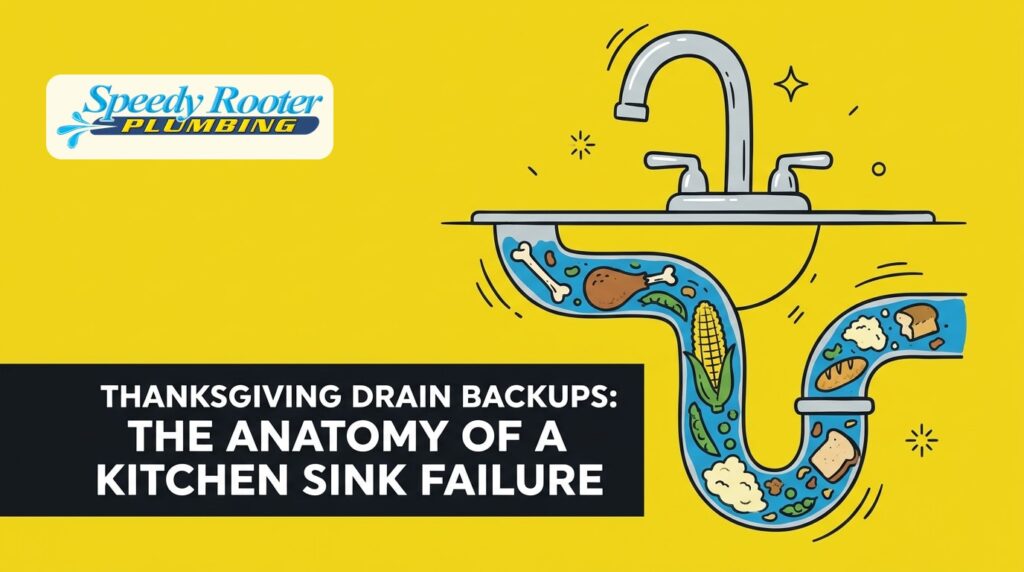
Thanksgiving Drain Backups: The Anatomy of a Kitchen Sink Failure
Preparing for the Predictable Thanksgiving Plumbing Surge Thanksgiving morning brings a flurry of activity, with multiple dishes cooking, guests arriving, and the…
-
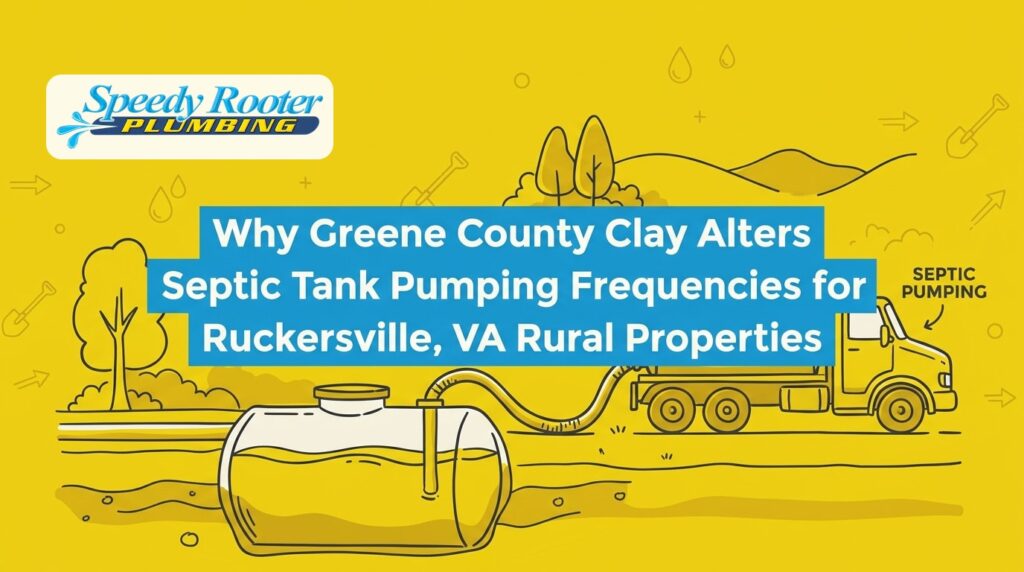
Septic Tank Pumping Frequencies for Ruckersville, VA Rural Properties
The Hidden Threat to Ruckersville Septic Systems Nearly 20% of rural American homes rely on independent wastewater systems, but when it comes…
-
Decoding Low Water Pressure: When the Problem is Your Main Line
Diagnosing a System-Wide Drop in Water Pressure You turn on the shower to get ready for the day, but only a weak…








24/7 Emergency Service
Contact Us Today
Contact Us Today
When in need of basic and emergency plumbing services, call Speedy Rooter Plumbing. We are the team that you can trust for services from a reliable plumber in Charlottesville, VA, and nearby areas. We have a committed team of well-trained professionals waiting to address your needs. Call us today or fill out the form on this site to schedule your appointment.